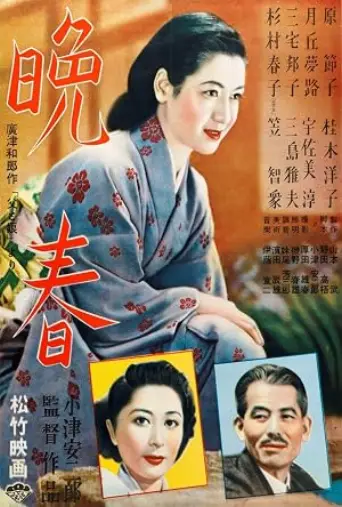
Late Spring
- slow-burn
- gentle
- signature
- intimate
Neutral, slow-burn, gentle drama, grounded in texture. Ambivalent, intimate, measured.
How every film is hand-scored →Noriko is perfectly happy living at home with her widowed father, Shukichi, and has no plans to marry -- that is, until her aunt Masa convinces Shukichi that unless he marries off his 27-year-old daughter soon, she will likely remain alone for the rest of her life. When Noriko resists Masa's matchmaking, Shukichi is forced to deceive his daughter and sacrifice his own happiness to do what he believes is right.
Our read · Late Spring (1949) reads as a neutral, slow-burn, grounded drama entry — gentle in intensity, intimate in scope, measured in temperature, ambivalent in outlook, with a strong directorial signature.
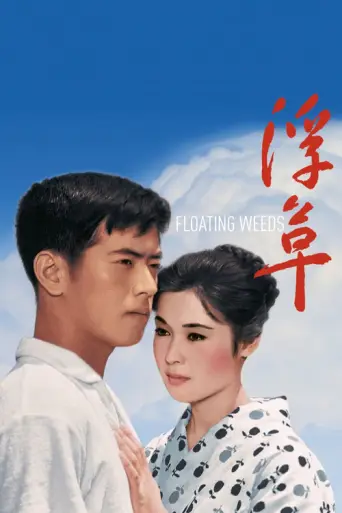


Availability in the UK · via JustWatch
More info & search links
The shape of Late Spring
What watching it is actually like.
“You want quiet Ozu grace about a daughter, a father, and letting go.”
Skip it tonight — Skip if patient Japanese domestic drama and subtitles feel too still tonight.
The reading.
Each axis is hand-scored — not derived from votes or genre averages. The marker shows where this film sits; the gradient fill uses the film's own cinematography palette.
Eight films that read most like this one.
Closeness in the twelve-axis space — how the film actually reads, not “people also liked.”
All films like Late Spring — ranked, with why →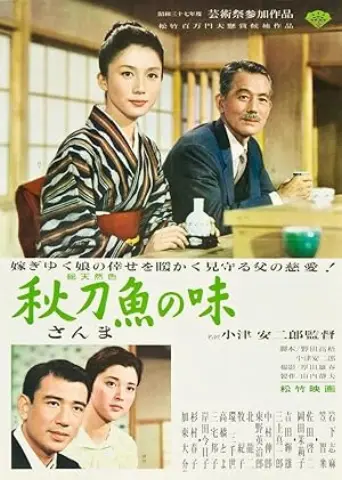


Discussion
What does your Movie DNA look like?
Rate a few films you've seen. We map your taste across the same twelve axes and find the films you'll actually want to watch tonight.
Read my taste — 60 sec