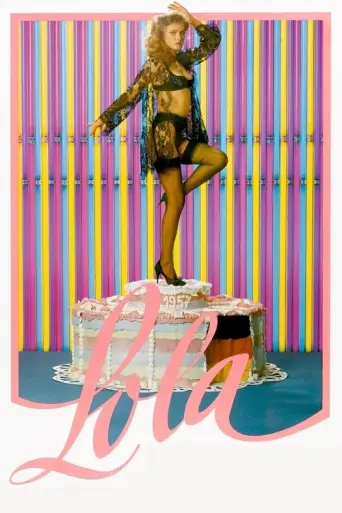
Lola (Fassbinder)
- sombre
- measured
- intense
- bleak
- signature
- intimate
Germany in the autumn of 1957: Lola, a seductive cabaret singer-prostitute exults in her power as a temptress of men, but she wants out—she wants money, property, and love. Pitting a corrupt building contractor against the new straight-arrow building commissioner, Lola launches an outrageous plan to elevate herself in a world where everything, and everyone, is for sale. Shot in childlike candy colors, Fassbinder’s homage to Josef von Sternberg’s classic The Blue Angel stands as a satiric tribute to capitalism.
Our read · Lola (Fassbinder) (1981) reads as a sombre, measured, grounded drama entry — measured in intensity, intimate in scope, measured in temperature, nihilistic in outlook, with a strong directorial signature. Hand-scored on twelve axes of taste — mood, pacing, weirdness, hope, stakes, humour, reality, density, warmth, auteur, intensity, and era — with a derived palette drawn from its dominant cinematography.
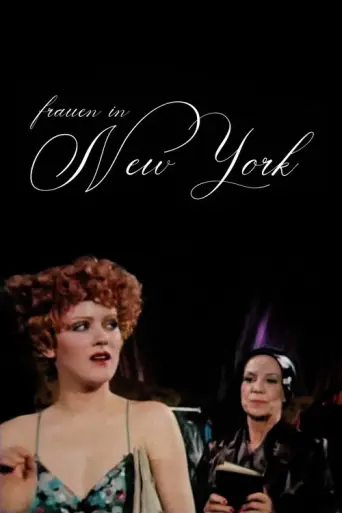

More info & search links
The shape of Lola
The reading.
Each axis is hand-scored — not derived from votes or genre averages. The marker shows where this film sits; the gradient fill uses the film's own cinematography palette.
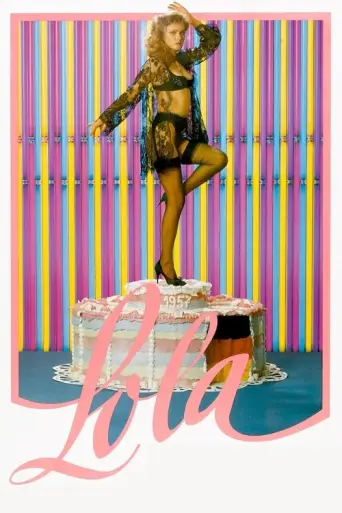
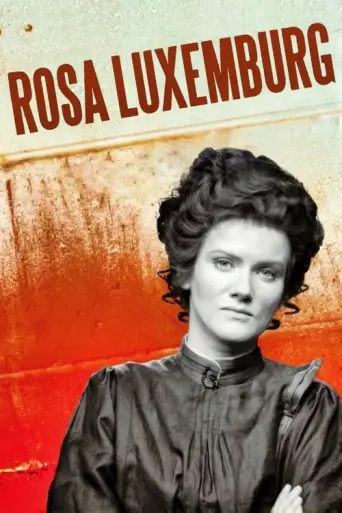
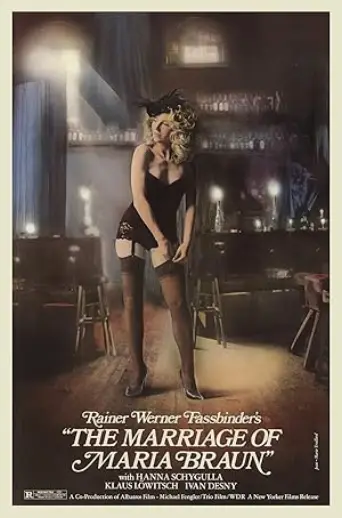
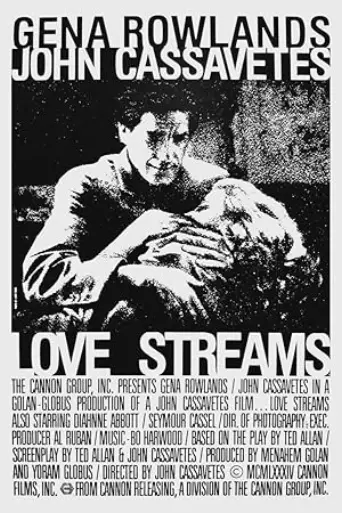
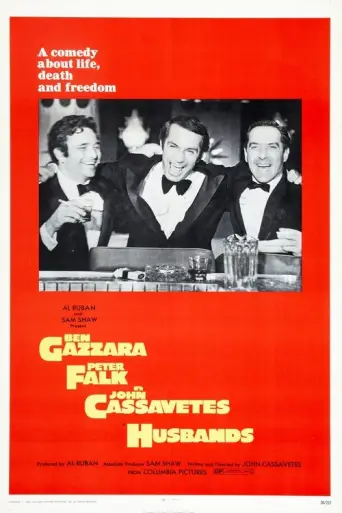
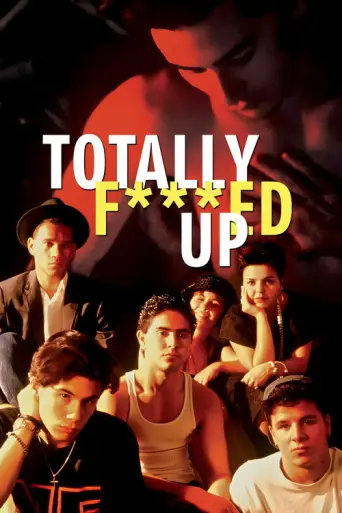
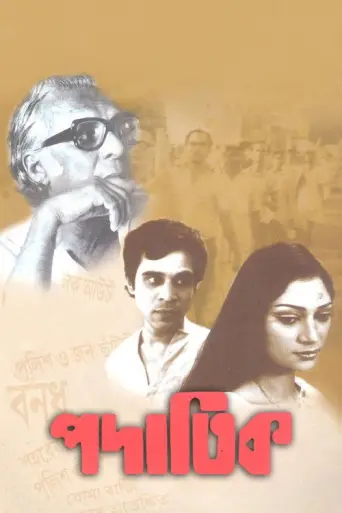
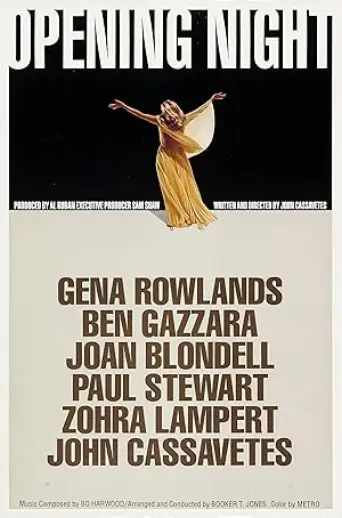
Eight films that read most like this one.
Geometric closeness in the twelve-axis space — pure DNA distance, not “people also liked.” Distance numbers are listed under each title for sceners who like to know the maths.
Discussion
What does your Movie DNA look like?
Rate a few films you've seen. We map your taste across the same twelve axes and find the films you'll actually want to watch tonight.
Calibrate yourself