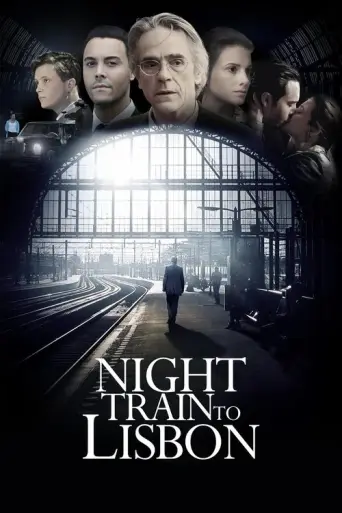
Night Train to Lisbon
- brisk
- intense
- inventive
- tender
- twisty
Neutral, kinetic, measured mystery / romance, inventive in texture. Ambivalent, mid-stakes, tender, hand-scored across twelve axes of taste.
How every film is hand-scored →Raimund Gregorius, having saved a beautiful Portuguese woman from leaping to her death, stumbles upon a mesmerizing book by a Portuguese author, which compels him to suddenly abandon the boring life he has led for years and to embark on an enthralling adventure. In search of the author, Gregorius acts as detective, pulling together pieces of a puzzle that involves political and emotional intrigue and the highest possible stakes. His voyage is one that transcends time and space, delving into the realms of history, medicine and love, all in search of true meaning to his life.
Our read · Night Train to Lisbon (2013) reads as a neutral, kinetic, inventive mystery · romance · thriller entry — measured in intensity, mid-stakes in scope, tender in temperature, ambivalent in outlook. Hand-scored on twelve axes of taste — mood, pacing, weirdness, hope, stakes, humour, reality, density, warmth, auteur, intensity, and era — with a derived palette drawn from its dominant cinematography.




No streaming listing for Latvia right now — try the search links below.
More info & search links
The shape of Night Train to Lisbon
The reading.
Each axis is hand-scored — not derived from votes or genre averages. The marker shows where this film sits; the gradient fill uses the film's own cinematography palette.
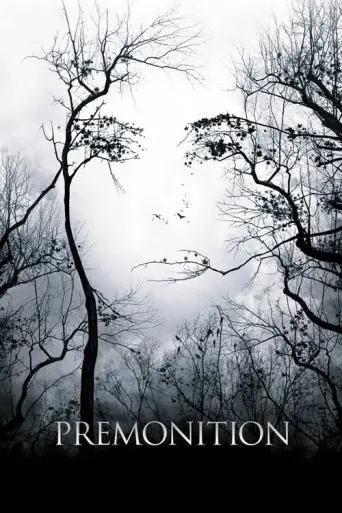
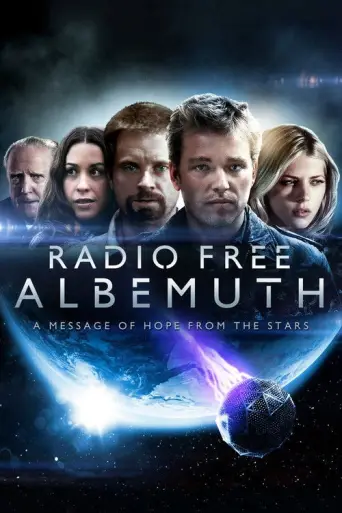
Eight films that read most like this one.
Geometric closeness in the twelve-axis space — pure DNA distance, not “people also liked.” Distance numbers are listed under each title for sceners who like to know the maths.






Discussion
What does your Movie DNA look like?
Rate a few films you've seen. We map your taste across the same twelve axes and find the films you'll actually want to watch tonight.
Calibrate yourself