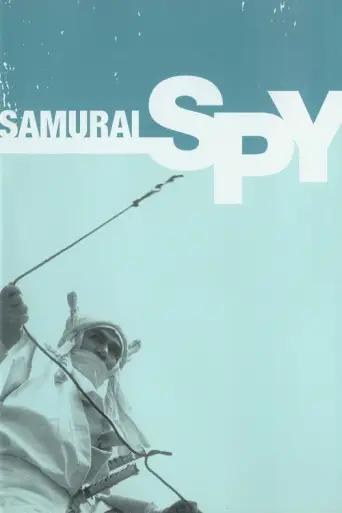
Samurai Spy (1965)
- sombre
- intense
- cold
Years of warfare end in a Japan unified under the Tokugawa shogunate, and samurai spy Sasuke Sarutobi, tired of conflict, longs for peace. When a high-ranking spy named Tatewaki Koriyama defects from the shogun to a rival clan, however, the world of swordsmen is thrown into turmoil. After Sasuke is unwittingly drawn into the conflict, he tracks Tatewaki, while a mysterious, white-hooded figure seems to hunt them both. By tale’s end, no one is who they seemed to be, and the truth is far more personal than anyone suspected. Director Masahiro Shinoda’s Samurai Spy, filled with clan intrigue, ninja spies, and multiple double crosses, marks a bold stylistic departure from swordplay film convention.
Our read · Samurai Spy (1965) (1965) reads as a sombre, steady, inventive action · drama entry — measured in intensity, mid-stakes in scope, cold in temperature, nihilistic in outlook, with a strong directorial signature. Hand-scored on twelve axes of taste — mood, pacing, weirdness, hope, stakes, humour, reality, density, warmth, auteur, intensity, and era — with a derived palette drawn from its dominant cinematography.


More info & search links
The shape of Samurai Spy
The reading.
Each axis is hand-scored — not derived from votes or genre averages. The marker shows where this film sits; the gradient fill uses the film's own cinematography palette.
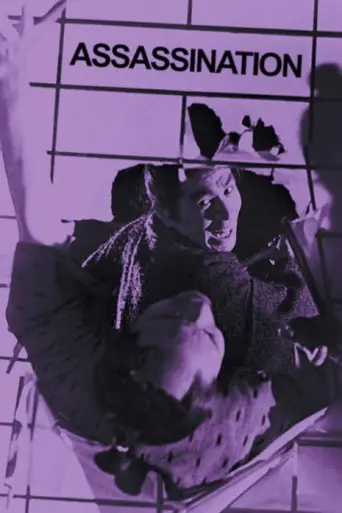
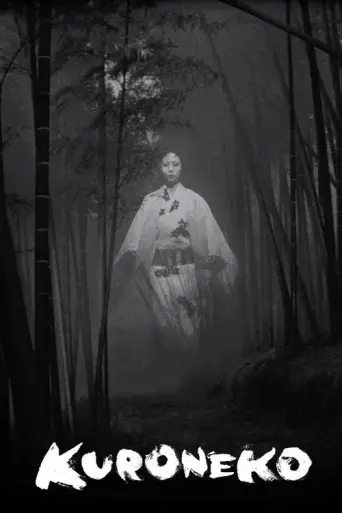
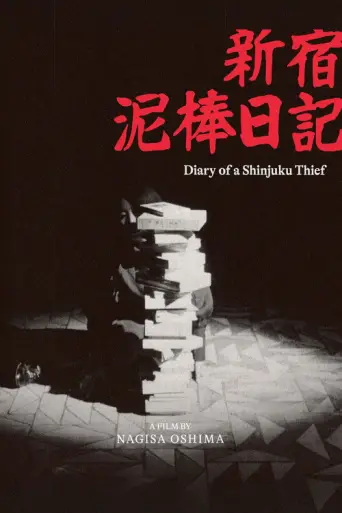
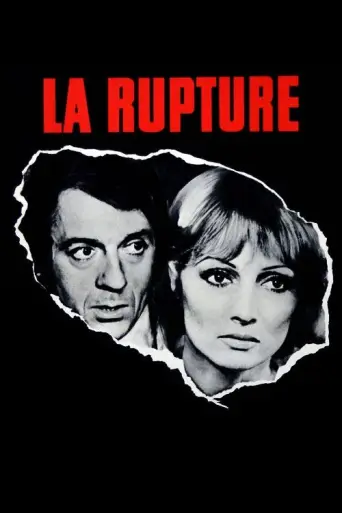
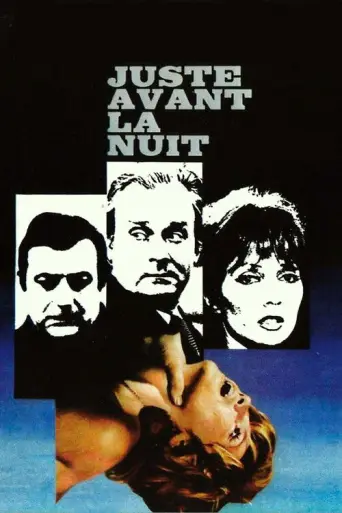
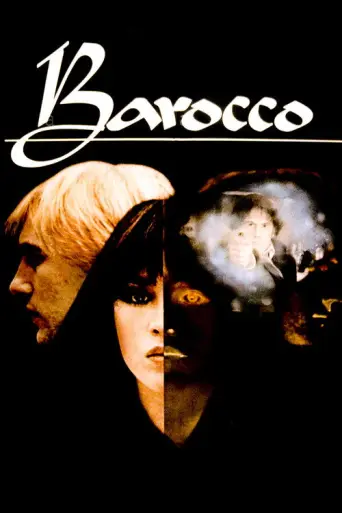
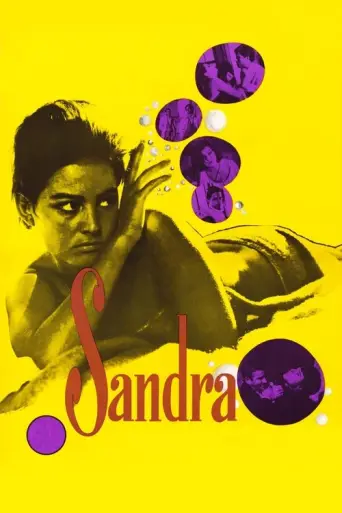
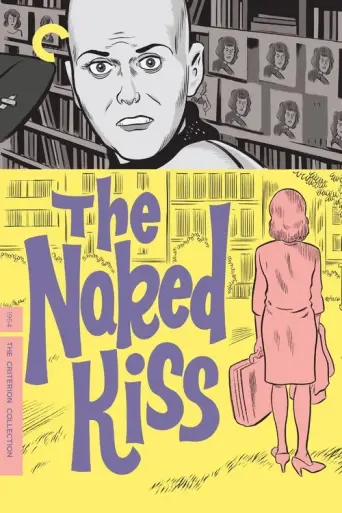
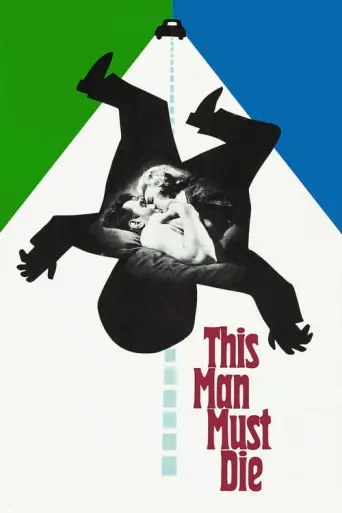
Eight films that read most like this one.
Geometric closeness in the twelve-axis space — pure DNA distance, not “people also liked.” Distance numbers are listed under each title for sceners who like to know the maths.


Discussion
What does your Movie DNA look like?
Rate a few films you've seen. We map your taste across the same twelve axes and find the films you'll actually want to watch tonight.
Calibrate yourself