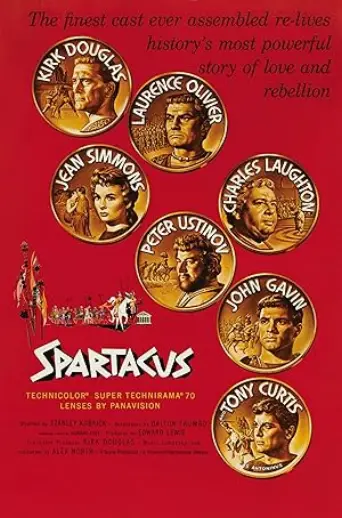
1960 · drama · history
Spartacus
Directed by Stanley Kubrick3h 17m1960
The rebellious Thracian Spartacus, born and raised a slave, is sold to Gladiator trainer Batiatus. After weeks of being trained to kill for the arena, Spartacus turns on his owners and leads the other slaves in rebellion. As the rebels move from town to town, their numbers swell as escaped slaves join their ranks. Under the leadership of Spartacus, they make their way to southern Italy, where they will cross the sea and return to their homes.
Our read: Spartacus (1960) reads as a neutral, steady, grounded drama · history entry — measured in intensity, epic-stakes in scope, measured in temperature, ambivalent in outlook.
Neutral, steady, measured drama / history, grounded in texture. Ambivalent, epic, measured.
- intense
- epic-stakes
Watching Spartacus tonight? Spin for your lens.
Everyone on the couch spins once and gets one craft to watch for. After the credits, compare what you caught.







Your lens for tonight
?
Everyone on the couch gets one craft to watch for. Spin the wheel to get yours. Sound on: the narrator reads your mission.


Availability in Latvia · via JustWatch
More info & search links
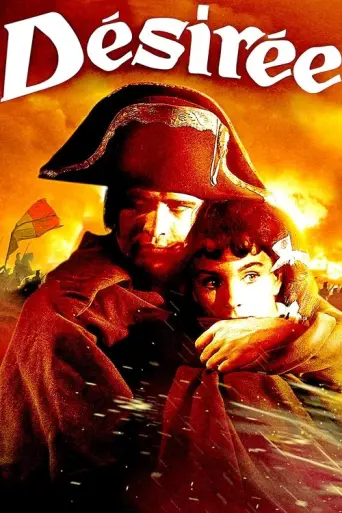
How Spartacus feels to watch.
Each axis is scored by hand, not from votes or genre averages. The bar uses the film's own colours.
What watching it is actually like.
“You want classic sword-and-sandal rebellion with sweeping Hollywood grandeur.”
Skip it tonight — Three-plus hours of Roman politics feels impossible tonight.
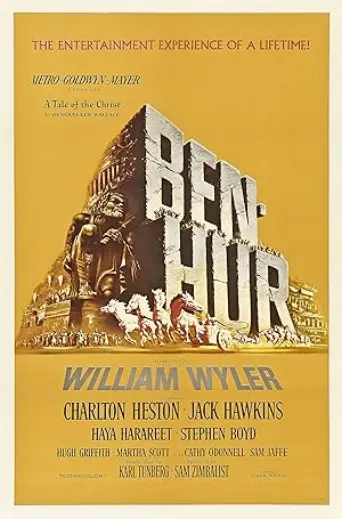
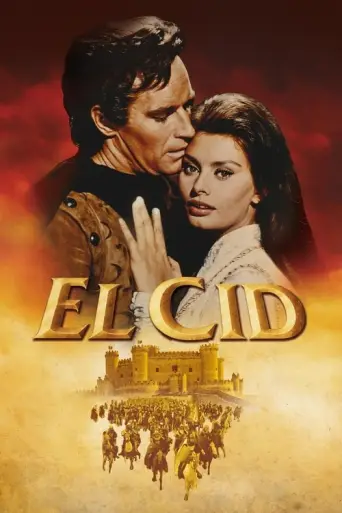
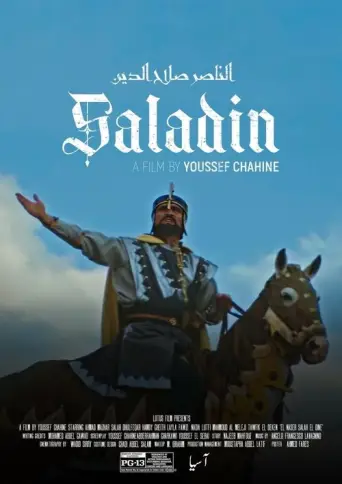
Eight films that feel like this one.
Closest in the twelve-axis space, not “people also liked”. All films like Spartacus, with why →
Discussion
Make it a movie night.
Pick a mood, get a film the whole couch will enjoy, and give everyone something to watch for.
Pick tonight's film →