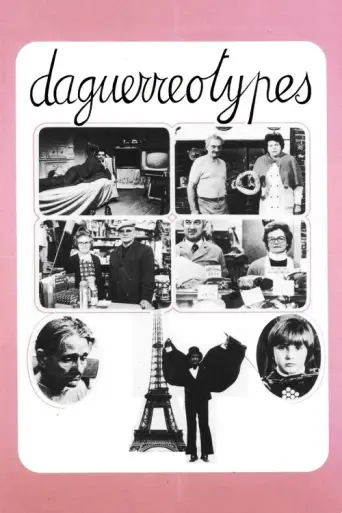
Daguerreotypes (Varda)
- slow-burn
- signature
- intimate
Neutral, slow-burn, gentle documentary, grounded in texture. Ambivalent, intimate, measured.
How every film is hand-scored →An intimate portrait of the small shops and shopkeepers of the Rue Daguerre in Paris, a picturesque street that has been the filmmaker’s home for more than 50 years.
Our read · Daguerreotypes (Varda) (1976) reads as a neutral, slow-burn, grounded documentary entry — gentle in intensity, intimate in scope, measured in temperature, ambivalent in outlook, with a strong directorial signature.


More info & search links
The shape of Daguerreotypes
What watching it is actually like.
“You want a warm intimate glimpse into everyday Parisian shopkeepers lives.”
Skip it tonight — You want a strong plot or dramatic events tonight.
The reading.
Each axis is hand-scored — not derived from votes or genre averages. The marker shows where this film sits; the gradient fill uses the film's own cinematography palette.
Eight films that read most like this one.
Closeness in the twelve-axis space — how the film actually reads, not “people also liked.”
All films like Daguerreotypes (Varda) — ranked, with why →
Discussion
What does your Movie DNA look like?
Rate a few films you've seen. We map your taste across the same twelve axes and find the films you'll actually want to watch tonight.
Read my taste — 60 sec