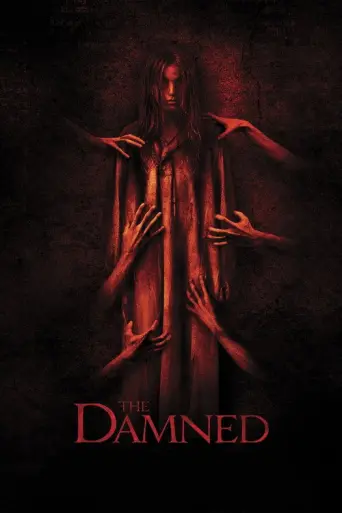
2014 · thriller · horror · mystery
The Damned
Directed by Víctor García1h 27m2014
After suffering the recent loss of his wife, David Reynolds decides to take his family on a cathartic trip to her home village in Columbia. While en route, they get into a car accident and seek refuge in a secluded inn. While there they find a mysterious young girl, Ana Maria, locked up with cryptic symbols painted on the walls of her cell. Shocked by the treatment of her caretaker, the family sets Ana free only to realize that she is possessed by an evil spirit from centuries past. What’s worse, the spirit can jump from person to person, creating a deadly dynamic amongst the once loving family. Now, David must figure out a way to lock the spirit up for good before it destroys him and his family.
Our read: The Damned (2014) reads as a heavy, kinetic, inventive thriller · horror · mystery entry — measured in intensity, mid-stakes in scope, cold in temperature, nihilistic in outlook.
Heavy, kinetic, measured thriller / horror, inventive in texture. Nihilistic, mid-stakes, cold.
- heavy
- brisk
- intense
- bleak
- cold
Watching The Damned tonight? Spin for your lens.
Everyone on the couch spins once and gets one craft to watch for. After the credits, compare what you caught.







Your lens for tonight
?
Everyone on the couch gets one craft to watch for. Spin the wheel to get yours. Sound on: the narrator reads your mission.
More info & search links



How The Damned feels to watch.
Each axis is scored by hand, not from votes or genre averages. The bar uses the film's own colours.
What watching it is actually like.
“You want a lean possession thriller with body-hopping dread in a storm-trapped inn.”
Skip it tonight — Skip if jump-scare horror and possessed-child peril will ruin your night.
Eight films that feel like this one.
Closest in the twelve-axis space, not “people also liked”. All films like The Damned, with why →

Discussion
Make it a movie night.
Pick a mood, get a film the whole couch will enjoy, and give everyone something to watch for.
Pick tonight's film →