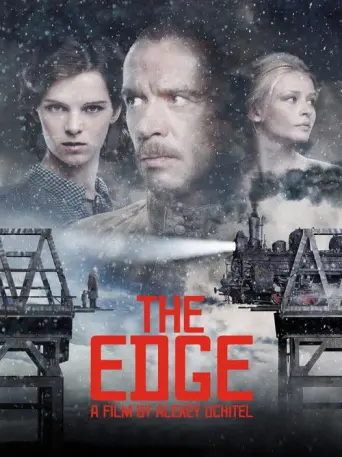
2010 · drama
The Edge
Directed by Alexei Uchitel1h 55m2010
The action takes place shortly after the end of the Second World War in the Siberian hinterland, among Russians and Germans with damaged personal stories and a strange transformation: the victors seem to be crawling into the skins of the defeated, and vice versa. Ignat, is the embodiment of the larger-than-life image of the Soviet victorious warrior who, in fact, proves to be shell-shocked, sick and broken, although not completely destroyed. Trains become fetish for the heroes of the film, and speed becomes a mania; they virtually become one with their steam engines, while the machines take on human names. The heroes set up an almost fatal race in the Siberian forest, risking their own lives and those of others.
Our read: The Edge (2010) reads as a sombre, kinetic, grounded drama entry — measured in intensity, mid-stakes in scope, measured in temperature, ambivalent in outlook.
Sombre, kinetic, measured drama, grounded in texture. Ambivalent, mid-stakes, measured.
- sombre
- brisk
- intense
Watching The Edge tonight? Spin for your lens.
Everyone on the couch spins once and gets one craft to watch for. After the credits, compare what you caught.







Your lens for tonight
?
Everyone on the couch gets one craft to watch for. Spin the wheel to get yours. Sound on: the narrator reads your mission.

More info & search links



How The Edge feels to watch.
Each axis is scored by hand, not from votes or genre averages. The bar uses the film's own colours.
What watching it is actually like.
“You want a Russian post-WWII Siberian drama about victors and defeated swapping skins.”
Skip it tonight — Skip if slow, philosophical war aftermath stories with identity confusion bore you.
Eight films that feel like this one.
Closest in the twelve-axis space, not “people also liked”. All films like The Edge, with why →







Discussion
Make it a movie night.
Pick a mood, get a film the whole couch will enjoy, and give everyone something to watch for.
Pick tonight's film →