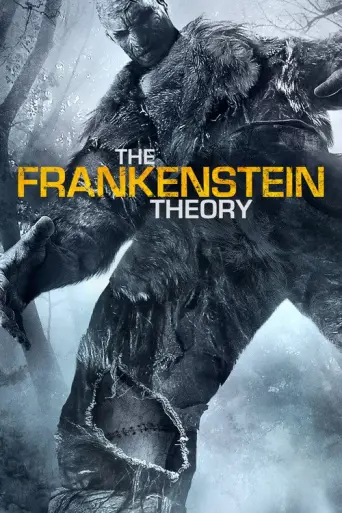
The Frankenstein Theory
- heavy
- brisk
- extreme
- surreal
- bleak
- cold
Heavy, kinetic, extreme horror / sci-fi, surreal in texture. Nihilistic, epic, cold, hand-scored across twelve axes of taste.
How every film is hand-scored →When he is suspended from his university job for his outlandish ideas, Professor John Venkenheim leads a documentary film crew to the rim of the Arctic Circle in a desperate effort to vindicate his academic reputation. His theory: Mary Shelley's ghastly story, "Frankenstein," is, in fact, a work of non-fiction disguised as fantasy. In the vast, frozen wilderness, Venkenheim and his team search for the legendary monster, a creature mired in mystery and drenched in blood. What they find is an unspeakable truth more terrifying than any fiction...a nightmare from which there is no waking.
Our read · The Frankenstein Theory (2013) reads as a heavy, kinetic, surreal horror · sci-fi · survival entry — extreme in intensity, epic-stakes in scope, cold in temperature, nihilistic in outlook. Hand-scored on twelve axes of taste — mood, pacing, weirdness, hope, stakes, humour, reality, density, warmth, auteur, intensity, and era — with a derived palette drawn from its dominant cinematography.
No streaming listing for Latvia right now — try the search links below.
More info & search links
The shape of The Frankenstein Theory
The reading.
Each axis is hand-scored — not derived from votes or genre averages. The marker shows where this film sits; the gradient fill uses the film's own cinematography palette.
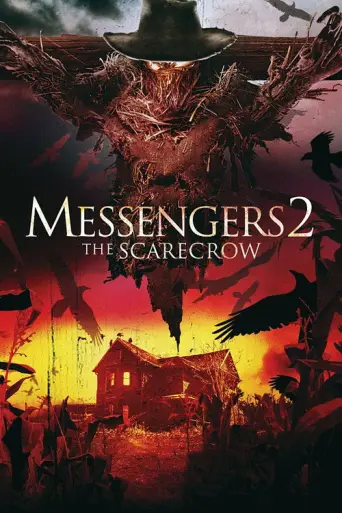
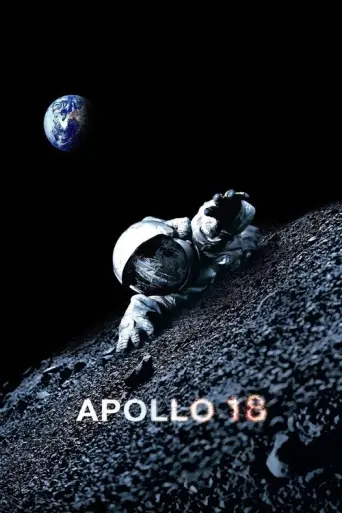
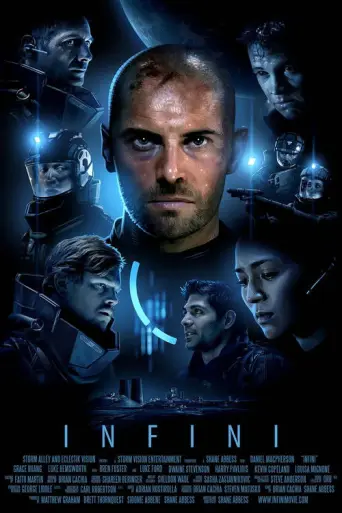
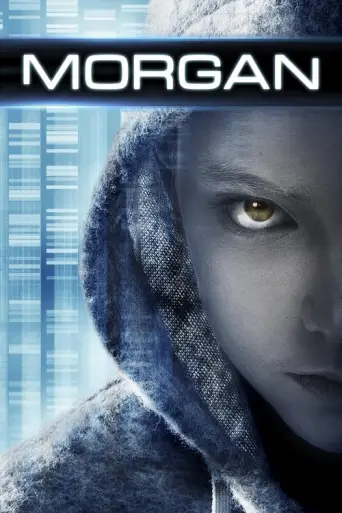
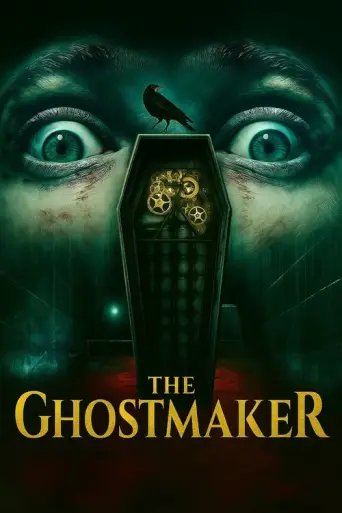
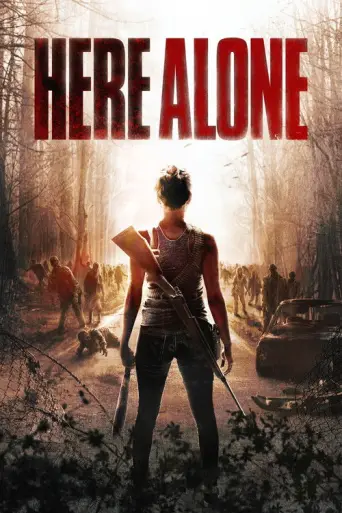
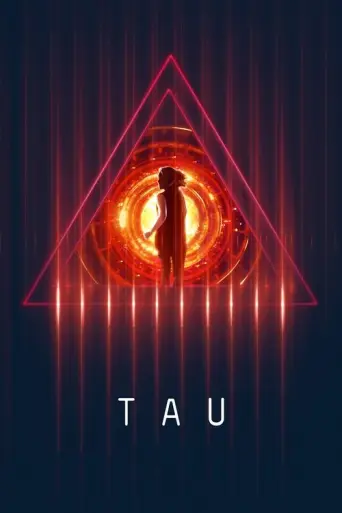
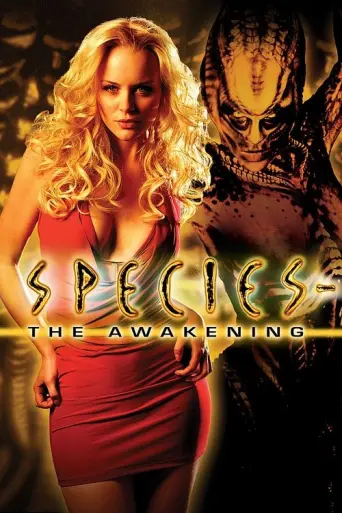
Eight films that read most like this one.
Geometric closeness in the twelve-axis space — pure DNA distance, not “people also liked.” Distance numbers are listed under each title for sceners who like to know the maths.
Discussion
What does your Movie DNA look like?
Rate a few films you've seen. We map your taste across the same twelve axes and find the films you'll actually want to watch tonight.
Calibrate yourself