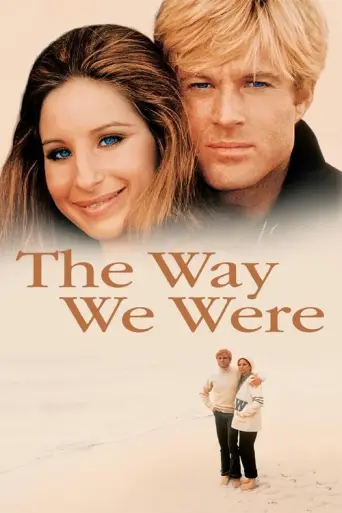
The Way We Were
- intense
- tender
Opposites attract when, during their college days, Katie Morosky, a politically active Jew, meets Hubbell Gardiner, a feckless WASP. Years later, in the wake of World War II, they meet once again and, despite their obvious differences, attempt to make their love for each other work.
Our read · The Way We Were (1973) reads as a neutral, steady, grounded drama · romance · political entry — measured in intensity, intimate in scope, tender in temperature, ambivalent in outlook. Hand-scored on twelve axes of taste — mood, pacing, weirdness, hope, stakes, humour, reality, density, warmth, auteur, intensity, and era — with a derived palette drawn from its dominant cinematography.
No streaming listing for Latvia right now — try the search links below.
More info & search links
The shape of The Way We Were
The reading.
Each axis is hand-scored — not derived from votes or genre averages. The marker shows where this film sits; the gradient fill uses the film's own cinematography palette.
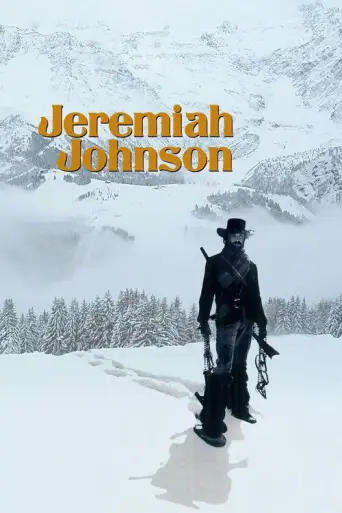
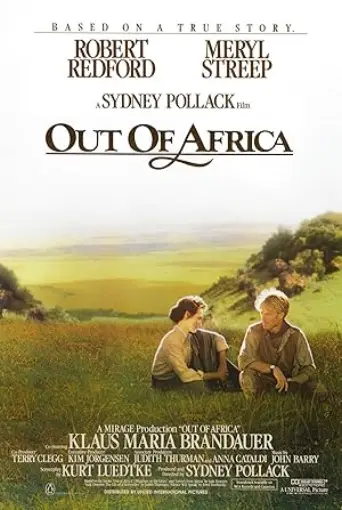
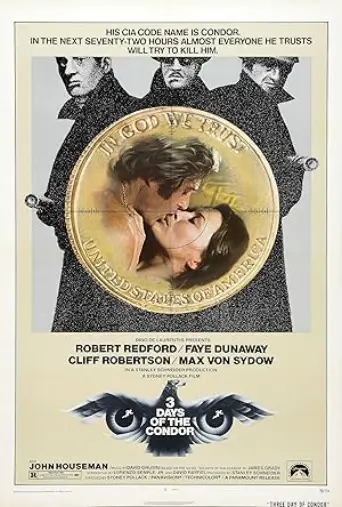
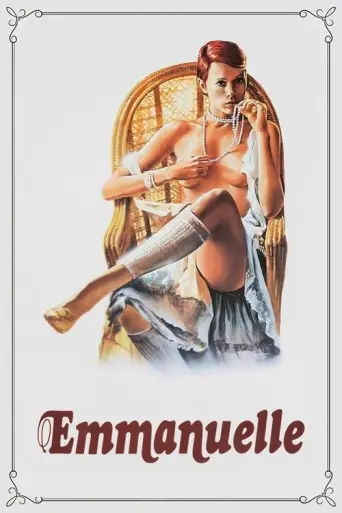
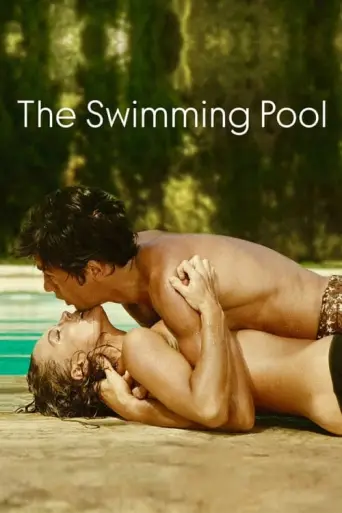
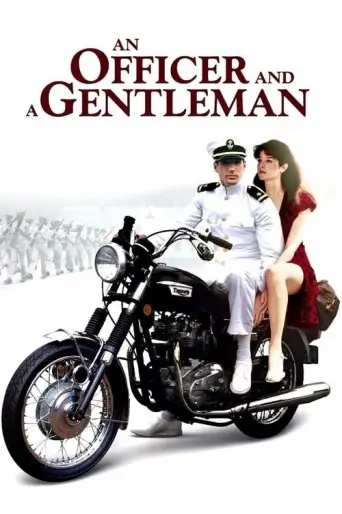
Eight films that read most like this one.
Geometric closeness in the twelve-axis space — pure DNA distance, not “people also liked.” Distance numbers are listed under each title for sceners who like to know the maths.
Discussion
What does your Movie DNA look like?
Rate a few films you've seen. We map your taste across the same twelve axes and find the films you'll actually want to watch tonight.
Calibrate yourself