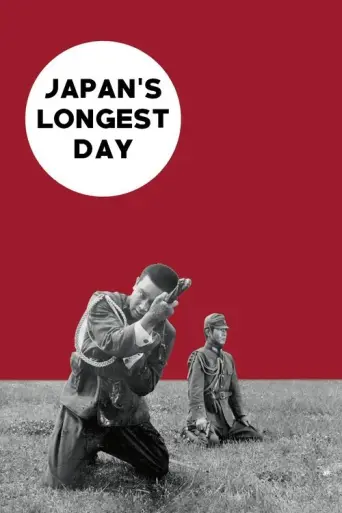
Japan’s Longest Day
- heavy
- measured
- intense
- bleak
- cold
Following the detonation of the atomic bombs on Hiroshima and Nagasaki, the Japanese military and the government clash over the demand from the Allies for unconditional surrender. Minister of the Army Anami leads the military officers who propose to fight on, even to the death of every Japanese citizen. Emperor Hirohito, however, joins with his ministers in asking the unthinkable, the peaceful surrender of Japan. When the military plots a coup to overthrow the Emperor's civilian government, Anami must face the choice between his desires and loyalty to his Emperor.
Our read · Japan’s Longest Day (1967) reads as a heavy, measured, grounded drama · war · history entry — measured in intensity, mid-stakes in scope, cold in temperature, nihilistic in outlook. Hand-scored on twelve axes of taste — mood, pacing, weirdness, hope, stakes, humour, reality, density, warmth, auteur, intensity, and era — with a derived palette drawn from its dominant cinematography.
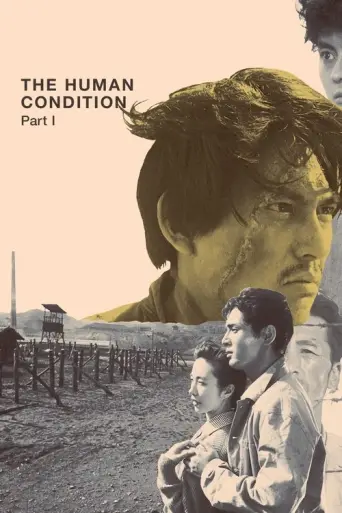
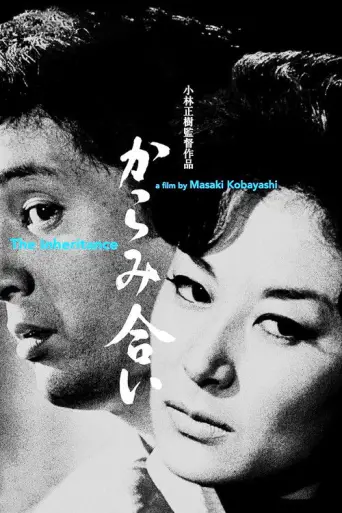
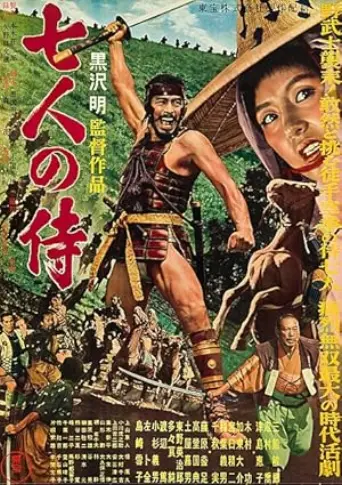
No streaming listing for Latvia right now — try the search links below.
More info & search links
The shape of Japan’s Longest Day
The reading.
Each axis is hand-scored — not derived from votes or genre averages. The marker shows where this film sits; the gradient fill uses the film's own cinematography palette.
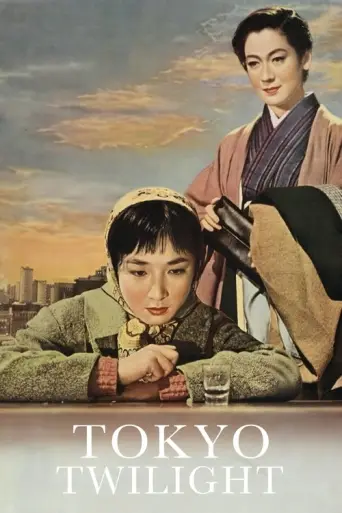
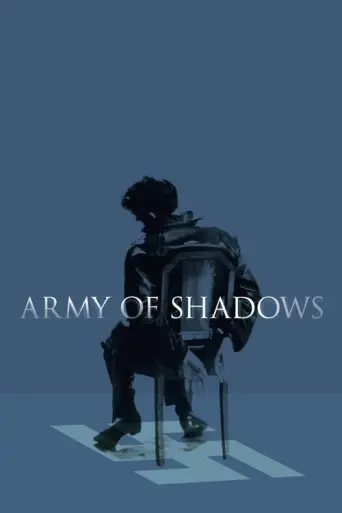
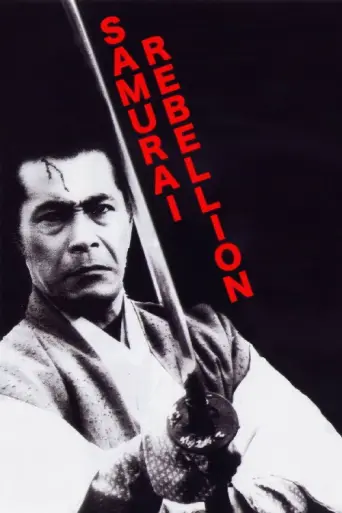
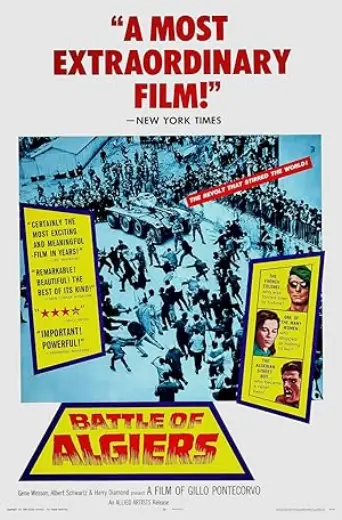
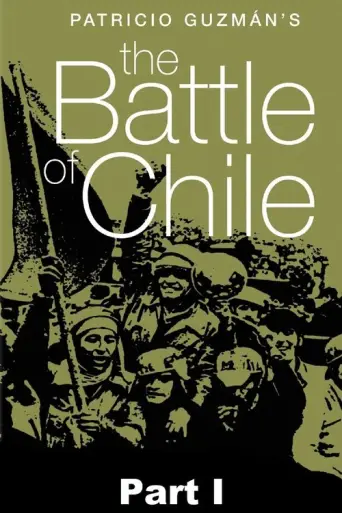
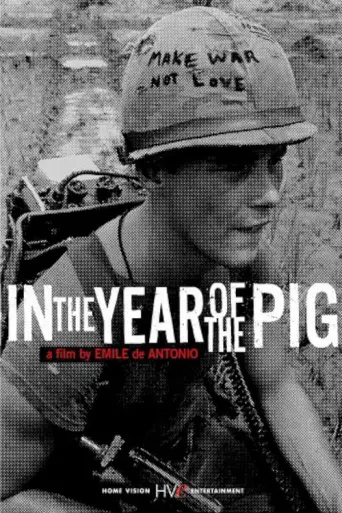
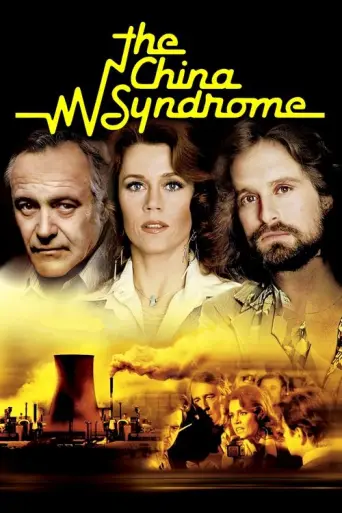
Eight films that read most like this one.
Geometric closeness in the twelve-axis space — pure DNA distance, not “people also liked.” Distance numbers are listed under each title for sceners who like to know the maths.


Discussion
What does your Movie DNA look like?
Rate a few films you've seen. We map your taste across the same twelve axes and find the films you'll actually want to watch tonight.
Calibrate yourself